TLDR
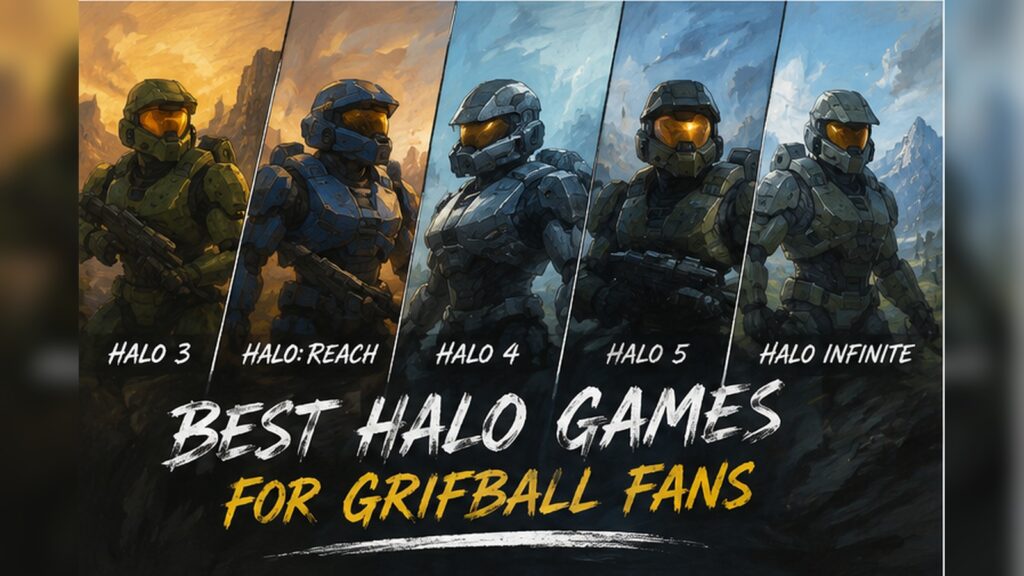
- Halo 3 is the classic Grifball foundation.
- Halo: Reach is one of the most beloved versions because it feels fast, readable, and familiar.
- Halo 4 and Halo 5 changed the feel with different movement and systems.
- Halo Infinite has the best modern Forge tools and easiest sharing path.
- The Master Chief Collection is still the best place to revisit multiple older Grifball eras.
Choosing the best Halo game for Grifball is not just about graphics or population. It is about feel.
The hammer has to feel right. The sword has to make sense. The court has to read clearly. The ball carrier needs to be dangerous without making every play feel random. That is why the best Halo games for Grifball fans are not always the newest ones. They are the ones where the sandbox, movement, and community tools come together cleanly.
What Makes a Halo Game Good for Grifball?
A good Grifball game needs five things.
The first is readable melee combat. Players need to understand why they won or lost a duel. If every trade feels random, the mode gets frustrating.
The second is clean movement. Grifball does not need complicated traversal. It needs movement that makes spacing, baiting, and goal-line defense feel fair.
The third is a good hammer. This sounds obvious, but it matters. The Gravity Hammer is the emotional center of Grifball. If it feels weak, delayed, or inconsistent, the whole mode suffers.
The fourth is easy custom game support. Grifball has always depended on maps, modes, file sharing, and community organization.
The fifth is population. A great version of Grifball does not help much if nobody can find a match. This is where MCC and Halo Infinite both matter in different ways.
Halo 3: The Original Foundation
Halo 3 is where Grifball became Grifball.
It has the classic feel: slower movement, simple court layouts, brutal hammer swings, and that early Forge charm. It is not the smoothest version by modern standards, but it has the most historical weight.
Halo 3 Grifball feels like a sport made inside a shooter, not a mode that was over-designed from the start. That roughness is part of the appeal. The court is readable. The weapons are simple. The chaos feels earned.
For longtime fans, Halo 3 is still the emotional baseline. When people talk about “classic Grifball,” this is often the version they are remembering.
Best for: players who want the original feel and do not mind older movement.
Halo: Reach: The Fan Favorite Era
Halo: Reach is probably the easiest older version to recommend to many Grifball fans.
It feels cleaner than Halo 3 while still keeping the core sport recognizable. Movement is still readable. The hammer and sword matchups remain central. The pacing is fast enough to feel modern but not so fast that the game loses its shape.
Reach also arrived during a strong era for Halo custom games. Forge World gave creators room to build, test, and share ideas. That mattered for Grifball because court design is a bigger deal than people think. A plain rectangle can work, but spawn placement, goal space, boundaries, and sightlines all affect how the game flows.
Reach Grifball also had a strong league and community identity. For many players, this was the version where casual chaos and organized competition met in the middle.
Best for: players who want classic Grifball with a smoother feel.
Halo 4: A Different Kind of Grifball
Halo 4 changed a lot about Halo’s multiplayer feel, and Grifball changed with it.
One key difference is that Halo 4’s Grifball is built differently than the older Assault-based versions. That matters because objective logic affects how the game plays and how creators think about maps and modes.
Halo 4 can still be fun for Grifball, but it feels less like a direct continuation of Halo 3 and Reach. The movement, loadouts, and sandbox create a different rhythm.
That does not make it bad. It just means players who want pure old-school Grifball may need time to adjust.
Best for: players curious about a different Grifball feel.
Halo 5: Faster, Sharper, More Divisive
Halo 5 brought faster Spartan movement and a more aggressive multiplayer style. For standard arena play, that speed gave Halo 5 a strong competitive identity. For Grifball, it changed the court.
More movement options can make the game feel more dynamic. They can also make traditional spacing harder to preserve. A Grifball court designed for older Halo movement does not always translate cleanly into a faster sandbox.
That makes Halo 5 interesting but divisive for Grifball fans. Some players enjoy the speed. Others prefer the older, heavier feel where every step toward the goal feels more deliberate.
Best for: players who like faster Halo and do not need Grifball to feel traditional.
Halo Infinite: The Best Modern Toolset
Halo Infinite has the strongest modern case because of Forge, Custom Games, and the Content Browser.
The actual feel of Infinite Grifball may not satisfy every old-school player the same way Halo 3 or Reach does. Hammer behavior, movement, networking, and mode settings all affect that. But Halo Infinite gives creators powerful tools to build courts, script modes, and share community content more easily.
That matters a lot in 2026. The future of Grifball depends less on waiting for one permanent playlist and more on making community versions easy to find, test, and host.
Halo Infinite also has visual flexibility. A Grifball court can be a classic box, a football stadium, a Covenant-themed arena, a sky court, or something stranger. The best maps still keep the play readable, but the presentation can vary more than ever.
Best for: players who want modern Forge support and easier content discovery.
The Master Chief Collection: The Best Overall Archive
Halo: The Master Chief Collection is the best option for players who want to understand Grifball history.
It brings multiple Halo games into one place, including Halo 3, Halo: Reach, and Halo 4. That makes MCC less about picking one version and more about seeing how the mode changed over time.
For Grifball fans, MCC is valuable because it preserves older movement styles and older community memories. It is also a practical place to host custom nights with players who want classic Halo.
Best for: players who want variety, nostalgia, and access to multiple older Halo eras.
Quick Recommendations
If you want the most classic version, play Halo 3.
If you want the best balance of classic feel and smoother pacing, play Halo: Reach.
If you want to experiment with modern community tools, play Halo Infinite.
If you want to compare eras, use The Master Chief Collection.
There is no single correct answer. Grifball has always changed based on the Halo game around it. That is part of why it has lasted.
FAQs
What Halo game started Grifball?
Grifball began in Halo 3 as a community-created mode inspired by Red vs. Blue.
Is Halo: Reach better than Halo 3 for Grifball?
It depends on what you value. Halo 3 has the original feel. Halo: Reach feels smoother to many players while still staying close to classic Grifball.
Is Halo Infinite good for Grifball?
Yes, especially for custom games and Forge-made courts. Players who prefer older hammer timing may still favor Halo 3 or Reach.
Can I play Grifball in MCC?
Yes, Grifball has existed across several MCC-supported Halo titles, and community file shares or custom games are often the best way to set up specific versions.
Which Halo is best for new Grifball players?
Halo Infinite is easier for modern players to access and search. Halo: Reach is a strong pick for learning the classic feel.
Conclusion
The best Halo game for Grifball depends on what kind of Grifball you want.
Halo 3 gives you the roots. Reach gives you the classic community sweet spot. Halo Infinite gives you modern tools. MCC gives you the archive.
That is a good problem to have. Grifball is not locked to one moment in Halo history. It keeps getting rebuilt, retested, and replayed by people who still think “hammer sport with a bomb” is a good use of an evening.